
How to Deal with Leaks from a Neighbour’s Roof
A leaking roof is nobody’s idea of fun. On the upside, it’s something you can get fixed without too much hassle. But what if the leak is actually coming from your neighbour’s roof?
In this post, we’ll look at some of the ways your neighbour’s roof could cause a leak in your property and what steps you should take to get it sorted.
Why is my neighbour’s roof leaking into my property?
Every property has its own roof directly above. However, there are some problems that can lead to leaks coming across from your neighbour’s roof if you live in a semi-detached or terraced house. That’s because the roofs need to be adjoined with materials overlapped to provide a continuous, uninterrupted covering.
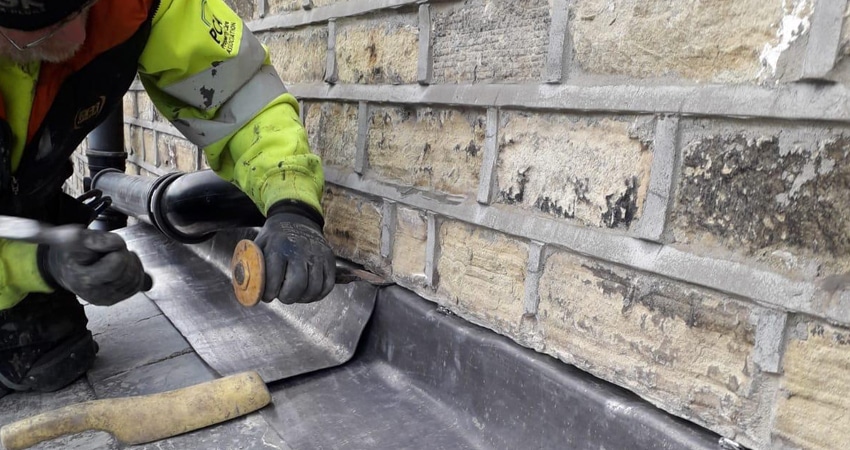
Missing or broken tiles near the boundary of the two roofs could cause water to leak into both properties. Additionally, your neighbour’s guttering might be leaking, which could cause water to leak onto your property, break down the pointing and allow moisture to seep in through the walls.
Another issue with adjoining properties comes from the chimney. Semi-detached and terraced houses will usually have a shared chimney stack crossing the boundary between the two properties. Water can get into the chimney stack either through poorly maintained pointing or uncapped pots, which can then seep into the houses either side.
What should you do?
As with most issues, the first step is flagging the problem. Get an experienced roofer in to inspect the damage and confirm that it’s not a problem with your roof. Take pictures or invite your neighbour in to show them the damage and explain the situation using a quote or report from the roofer.
Your neighbour might simply pay for the repairs and apologise for the inconvenience. If not, that’s where it gets more complicated.
In some cases, it’s possible to fix the problem from within your house. Experienced roofers might be able to find a way to stop the water getting into your house without actually fixing your neighbour’s roof. Of course, that does mean you’ll have to pay for the work, which isn’t ideal.
It’s always advisable to save court action as a last resort. This can be costly and will inevitably lead to greater tensions between you and your neighbour. However, it’s best to take pictures of the damage at each stage and keep all quotes or reports from roofers just in case.
Expert roofers on hand in Wakefield
Whether you need repairs on your roof or just a thorough inspection to identify the root cause, DPR Roofing is on hand to help with domestic roofing services across Wakefield.
With more than 35 years’ experience in roofing, our expert team can provide the advice and critical repairs you need to avoid unnecessary damage to your property. Give us a call on 01924 255 677 to arrange an inspection today.


Selling Your Home in 2019? Here are 5 Things to Spruce Up
Are you thinking of upping sticks and moving in 2019? Whether you’re moving around the corner or across the world, getting the most money for your property is the best way to set yourself up for the move.
Baking bread, banning the pets and kids, putting away muddy shoes – there are a number of small things you can do to increase the appeal of your home to potential buyers. But what about the bigger things? What should you put at the top of your to-do list for increasing your home value? Keep reading for the top 5 things to spruce up when selling your home in 2019…
1. Windows
One of the first things potential buyers will see when looking at your home is your windows. Bright, open and gleaming? Or are they more cloudy, dull and worn? If they are the latter, you may want to spruce them up a little before inviting visitors to look around your home.
We’re not talking about getting the window cleaner and sponge out. Window replacements are a great way to improve the look of your home, whilst adding value due to their energy efficiency and security.
2. Garden
If your property has a garden, that’s a huge bonus when it comes to selling. Add a well-kept, attractive and spacious garden into the mix, and you could make a few extra thousand on the sale of your home.
If your garden is currently overgrown and messy, think about cutting the weeds back and mowing the lawn before putting your property up for sale as this could put a number of potential buyers off before they even get through the door.
3. Re-decorate
One of the easiest, but most effective ways of sprucing up your home for a sale is to add a lick of paint to the walls. This doesn’t have to cost a fortune and can be done in one weekend – if you rope in a few friends and family members! But the difference it can make is astonishing.
Adding a fresher, more open feel to your home and making it look as good as new will wow potential buyers and give them a clearer idea of what their home would look like.
4. Exterior walls
If you’ve lived in your home for a while, or you purchased an older property, the external walls may look a little tired and worn. Can you spot cracks in the mortar? Or perhaps gaps in the bricks? Whatever the issue, repointing your house’s walls can make a huge difference when it comes to the sale of your property. Whether you do it yourself or hire a professional, you can transform the look of your home instantly with repointing.
5. Roof
The roof is the umbrella of your property. Keeping the elements out and the warmth inside, a well-kept roof equals a well-kept property in buyers’ minds. Take care of any roof issues or replace your roof entirely before putting your home on the market to add value and increase appeal.
At DPR Roofing in Wakefield, we have over 35 years’ experience replacing and repairing the roofs of residential and commercial properties in the local area. We can increase your property’s value, gain extra interest and improve your chances of securing a sale.

Help! My Neighbour is Stalling Over Shared Roof Repairs
Whether it’s water ingress and leaks or a sagging roof, it’s important to get roof problems seen to as soon as possible. Unfortunately, things get a little complicated when your neighbours share the same roof.
Your neighbours need to agree to the repairs – and the costs – before work can begin. And things can get messy. So, what can you do when neighbours stall over shared roof repairs?
Shared roof – shared responsibility
There are a few scenarios in which a shared roof repair is necessary. The first is for flats. Multiple flats in one property means several property owners or leaseholders sharing the same roof. When something goes wrong, it’s usually up to them to split the bill. This will be outlined more specifically in the lease.
Shared roof repairs may also be necessary for houses. Terraced or semi-detached properties may require roof repairs where two properties meet. There could also be structural problems stretching across several properties which need to be rectified.
Urgent roof repairs
Whatever the case, shared roof repairs aren’t something to stall over. If left alone, a broken roof will eventually cause more serious problems as water gets into your property. It could even interfere with your home’s electrics – not to mention that of your neighbour’s property.
With that in mind, it’s best to be direct when it comes to shared roof repairs. Speak to your neighbour as soon as possible, then get a detailed quote from a reputable roofing company. With this, you can clearly show your neighbour what costs they’re responsible for, and why.
If your neighbour is slowing things down, tell them you have no option other than to get the works done. And, most importantly, insist on a shared cost. There’s no reason for you to be out of pocket when paying for a shared roof.
Need some help?
If you need a quote for shared roof repairs in Wakefield, DPR Roofing are only a phone call away. Our team of expert roofers are trained and experienced in all areas of roofing, so we’re fully prepared to rectify any problem with a long-lasting solution. Get in touch today to arrange your free quote.

Roof Tiles: Concrete vs Clay?
If you’re considering a roofing project, there are a few different options when it comes to the roof tiles. Before you start planning sizes, schemes and patterns, there’s one essential choice to be made – namely, concrete or clay.
Roof tiles are an essential feature of any home. They keep the weather out, provide a strong and safe shelter, and – if installed by a professional – will look great too. With that in mind, they’re something you need to put plenty of thought into.
Concrete and clay are the two most common materials used for roof tiling. Both have their benefits and even some drawbacks, so it’s important to be fully informed before you make the choice. Read on as we look at how concrete and clay roof tiles differ, and which is best for you.
The benefits of both concrete and clay tiles
First of all, let’s look at why people choose concrete and clay roof tiles. Both are highly durable, long lasting and low maintenance. They’re also a great option to keep your home safe, as long as you’re using reputable suppliers and installers. Finally, both options provide superb curb appeal. Concrete and clay tiles look great – which is why so many people opt for them. So, how do they differ?
Cost
The first thing you will notice when comparing the two materials is that clay tiles cost that little bit more. You can usually expect to pay a premium of around 25% for clay tiles compared to concrete. Why? Quite simply, clay tiles last longer.
Durability
While clay roof tiles last as long as 100 years, concrete tiles usually need replacing after around 50. Essentially, it’s a choice of whether you want to invest more now, or you’re willing to pay again further down the line. That said, there are some other key areas that set the two materials apart:
Weight
Concrete tiles are weigh more than clay tiles – usually around 30 - 40% more, in fact. Because of this, they are not suitable for some roof structures, making clay tiles more versatile in this sense.
Water
Concrete tiles absorb around twice the amount, meaning it’s more susceptible to mildew growth – as well as increased weight and consequent pressure on a home’s structure.
Maintenance
Understandably, because of their heavier weight and higher susceptibility to mildew, concrete tiles require more maintenance than clay tiles. In fact, clay tiled roofs are essentially maintenance free in most cases.
Appearance
Both clay and concrete tiles look great when they’re first installed. However, another way clay beats concrete is its longevity. Clay tiles are baked at super-high temperatures to create a long-lasting finish. In contrast, the colour of concrete tiles can fade over time.
The choice is yours
As well as choosing the right material for your roof, it’s important to get the right contractors for the job. DPR Roofing has over 25 years’ experience in the roofing industry, providing a wide variety of roofing repairs and installations. If you’re looking for roofing specialists you can trust – get in touch with our team in Leeds, Huddersfield, Barnsley, Pontefract and Wakefield.
Should I Install a New Roof in Winter?
When’s the best time to install a new roof? Most would assume it’s summer, because it’s warm and dry, and they would be right. Summer and its typically dry weather make for perfect roofing conditions. But sometimes, a new roof just can’t wait. Read on as we explore whether winter roof installations are a sensible option.
Why does weather matter?
There are several reasons why weather matters when installing a new roof. Firstly, for basic practicality. Cold, windy or wet weather understandably makes it much more difficult to work, meaning installing a new roof could take much longer. Similarly, most roofing contractors will stop work on days where it is too wet or windy, for health and safety reasons.
On top of that, some roofing materials can be affected by the cold or wet weather, making them harder – or even impossible – to use. Tiles, for example, can freeze in low temperatures, meaning they could crack or break when you try to nail them down.
Popularity through the seasons
Because of these weather issues, summer is the ideal time for roofers to work on your property. However, that doesn’t mean it’s the most popular. Autumn tends to be the peak period for roof replacements, as the weather is still relatively calm and homeowners want to prepare for the approaching winter.
But sometimes, needs must…
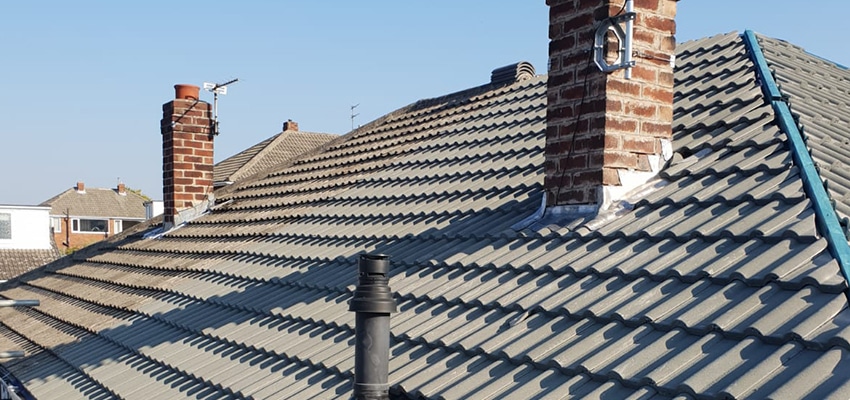
All that said, sometimes a winter roof replacement is necessary. That’s why winter is still a busy period for roofing contractors. If your roof has undergone serious damage, it’s best to get a replacement as soon as possible. Leaving a badly damaged roof in the rain and cold will only lead to more damage, which could even cause damage to other parts of your home through leaks or falling parts.
The upside of UK winters
As much as we try to exaggerate, UK winters are nowhere near as bad as the likes of Canada and the US. Freezing temperatures aren’t as common, nor are severe winds and heavy rain. While winter makes roofing almost impossible across the pond, it’s more of an inconvenience in the UK. Good roofing contractors will be able to work around spells of bad weather if necessary to ensure your roofing work is completed safely and to a high standard
Get the job done right
Need a new roof installation this winter? DPR Roofing are the team you need to get it done properly. Based in Wakefield, we have over 28 years’ experience installing and repairing roofs through all the seasons. We’re also fully accredited for a range of roofing service quality standards and put safety first with regular site inspections and reports. Don’t leave your roof to get worse, give us a bell today to discuss how we can help you get it sorted.