
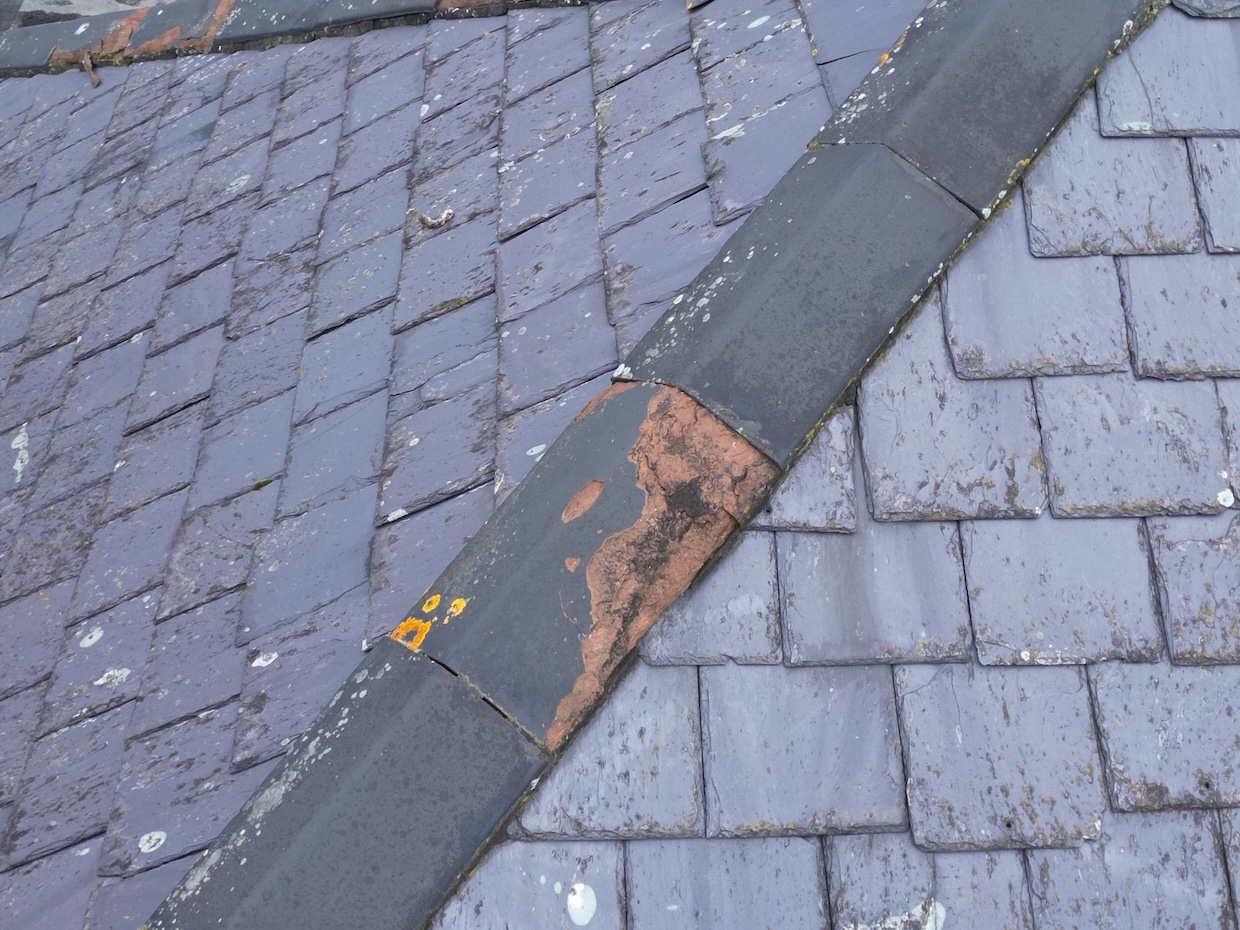
 January in Wakefield has a habit of showing you what your house is really made of. Cold mornings around Pugneys, mist hanging low over the Calder and rain that seems to arrive sideways. It is also the month when small roofing weaknesses stop hiding. A faint stain becomes a drip. A drip becomes a bucket on the landing.
When a leak appears in January, the big question is always the same. Is it tiles, flashing or pointing? Knowing the likely culprit helps you act faster and avoid unnecessary damage. Here is a clear, local guide to telling the difference.
Why January leaks are different
January leaks are rarely about sudden disasters. They’re usually the result of long-term wear finally being pushed past its limit, because:
- Cold contracts materials.
- Wind drives rain uphill.
- Freeze and thaw opens cracks.
- Snow melt finds the slowest exit.
Wakefield’s mix of exposed hills, river air and older housing stock makes roofs work hard all winter. By January, the weakest detail gives way. You can read more in ‘7 Roofing Challenges for Winter’.
Start inside, not outside
Before you even think about the roof, look at what the leak is doing indoors.
Ask yourself:
- Where exactly is the water showing?
- Does it appear during rain, after snow or hours later?
- Is it near a chimney, external wall or roof slope?
- Does it dry out between weather events?
Leaks rarely drip straight down. Water travels along rafters, joists and plasterboard before making an appearance. The position of the stain gives clues about the source.
When tiles are the problem
Tiles are the most obvious suspect, and often the right one too.
Common January tile issues in Wakefield include:
- Cracked concrete tiles on post-war estates
- Slipped slates on older terraces
- Tiles lifted slightly by wind but not visibly missing
- Frost damage to already weakened tiles
Here’s how to tell if your tiles are the cause:
- A leak that worsens during heavy rain
- Drips appearing shortly after rain starts
- Staining that follows the roof slope
- Tile fragments in gutters or on paths
Concrete tiles around areas like Outwood and Lupset are particularly prone to cracking as they age. Once water gets past the tile, it sits on the underlay until it finds a joint or tear.
The hidden role of underlay
It’s worth saying this quietly. Underlay isn’t waterproofing. It’s a backup.
Older bitumen felt, common in Wakefield homes from the 60s through to the 90s, becomes brittle with age. Wind can lift tiles just enough to tear it. Once that happens, even intact tiles can leak.
This is why tile-related leaks often appear suddenly in January, even if nothing looks obviously wrong from the ground.
When flashing is the culprit
If a leak appears near a chimney, dormer or where the roof meets a wall, flashing moves to the top of the list.
Lead flashing is designed to flex. Over time, cold, heat and movement take their toll.
Typical January flashing failures include:
- Lead lifted by wind-driven rain
- Cracked or split lead from metal fatigue
- Mortar holding flashing in place washing out
- Poor past repairs relying on sealant
Signs it’s likely flashing:
- Leaks near chimneys or roof junctions
- Damp patches that appear after wind as well as rain
- Staining that spreads sideways, not straight down
- A leak that worsens during storms, not showers
Stone chimneys in areas like Horbury and Sandal are frequent offenders. Water gets behind lifted flashing and then travels along internal masonry before appearing far below.
Why sealant is not the answer
It’s tempting to blame a small gap and reach for silicone, but January leaks caused by flashing are almost never solved that way.
Sealants fail quickly in cold weather. They also trap water, making future repairs more complex. Proper flashing work involves dressing, securing and sometimes replacing lead. It’s precision work, not patching.
When pointing is to blame
Pointing failures are quieter but just as troublesome.
Mortar joints around ridges, hips and chimneys absorb water. In winter, that moisture freezes, expands and breaks the bond.
Common pointing-related issues include:
- Cracked ridge mortar
- Loose hip tiles
- Open joints on chimney stacks
- Flaunching around chimney pots breaking down
Here are four signs that pointing is probably the cause:
- Leaks that appear after prolonged wet weather
- Damp patches that grow slowly
- Fine debris or mortar dust in gutters
- Ridges or hips that look intact but sound hollow
Older properties around Ossett and Wakefield centre often show this pattern. The roof looks fine from the street, but water is getting in through hairline mortar failures.
The loft test that helps narrow it down
If it’s safe to do so, a quick loft check after rain can be very telling.
Stick to the joists and bring a torch. Look for:
- Drips from nail points, suggesting tile or underlay issues
- Water tracking down rafters, often flashing related
- Damp masonry around chimney breasts, pointing or flashing
- Widespread moisture, indicating multiple failures
This is observation only. No poking, pulling or moving insulation around electrics.
Multiple causes are common
January leaks are often blamed on one thing when the reality is layered.
- A cracked tile lets water in.
- Tired underlay fails to stop it.
- Wind drives it toward a chimney.
- Failed pointing lets it through.
By the time it reaches your ceiling, several elements may have played a part. That’s why professional inspections matter.
What homeowners can safely do in January
There’s plenty you can do without taking risks.
From ground level:
- Check for slipped or broken tiles
- Look for uneven ridges
- Inspect chimney stacks visually
- Note overflowing gutters after rain
Inside:
- Mark damp patches with pencil and date them
- Take photos to track changes
- Ventilate affected rooms to reduce condensation
- Protect electrics and furnishings
Above all else, avoid ladders, roof access or temporary fixes at height. You can read more in ‘The Ultimate Home Maintenance Checklist’.
When to act quickly
Some roof repairs can be delayed, but don’t wait if:
- Water is dripping near electrics
- Ceiling plaster is bulging
- Leaks worsen with each rainfall
- Multiple rooms are affected
January water ingress can cause rapid internal damage if ignored.
Need a local opinion?
January roof leaks aren’t unusual in Wakefield. They’re the roof’s way of telling you something has reached the end of its working life. Whether it is tiles, flashing or pointing, the key is identifying it correctly and fixing it properly.
Guesswork leads to repeat leaks. But a clear diagnosis leads to lasting repairs.
DPR Roofing Wakefield works across the city and surrounding villages, from terraces near the centre to family homes around Newmillerdam and Horbury. If you’re dealing with a January leak, we can inspect the roof safely, explain the cause in plain English and recommend the right fix.
No panic. No patch jobs. Just sensible advice and work designed to get your home through the rest of winter dry. Contact our team today to get started.