
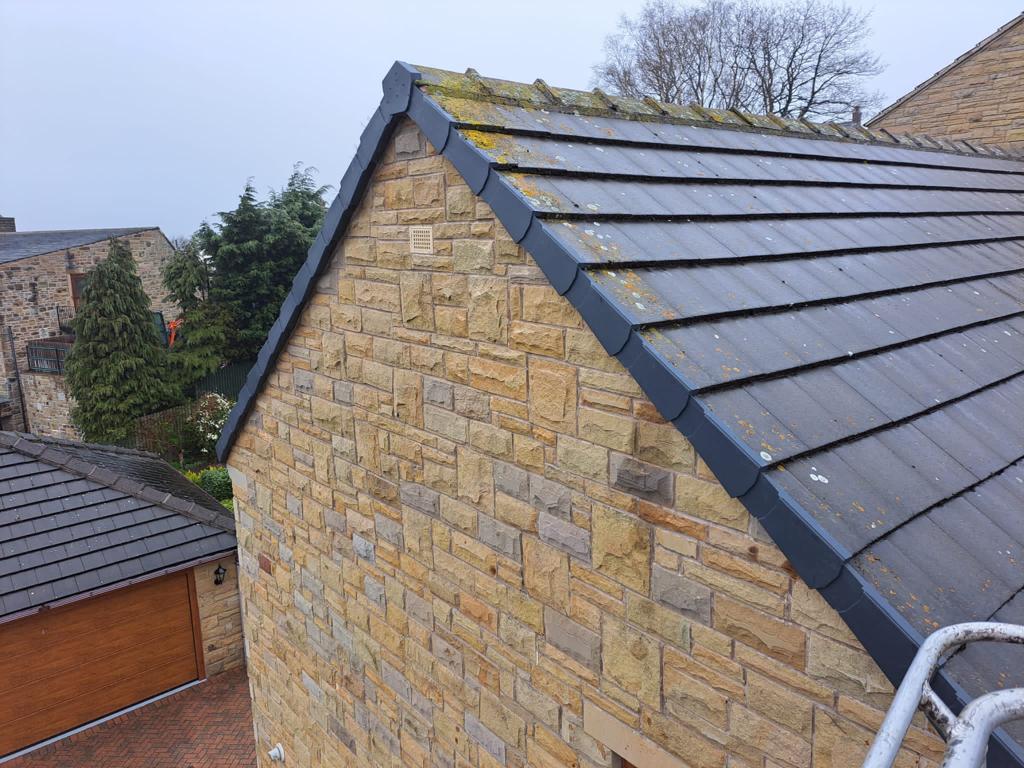
Wakefield wears green beautifully in late summer. Admire it with strolls around Pugneys Country Park, sun-dappled picnics in Newmillerdam and a pint in a favourite beer garden (we love The Black Horse and The Kings Arms). But there’s one kind of greenery you don’t want in September: moss and algae on your roof.
As nights cool and mornings turn misty along the Calder, roofs stay damp for longer. Add a summer’s worth of spores and gutters full of leaf mulch, and you’ve got perfect conditions for growth.
The good news? A little September roof maintenance can keep your home clean, dry and greenery-free all autumn.
Why moss and algae love Wakefield (and September in particular)
Moss and algae thrive where three things meet: moisture, shade and time. Wakefield has all three in abundance come September. Here’s why:
- Morning dew coupled with cooler nights mean roof surfaces stay damp for longer. Especially north-facing slopes in areas like Horbury or Ossett.
- Overhanging branches shade roofs and release organic matter onto surfaces.
- Textured or older materials like clay and concrete tiles have micro-pores that promote mould and algae growth. Weathered slate can also develop rougher surfaces that allow spores to cling easily and spread.
Is moss just cosmetic? Not quite.
A little green doesn’t mean your roof’s failing. But ignoring growth has knock-on effects:
- Trapped moisture: Moss acts like a sponge and can hold water against tiles when it would otherwise evaporate off.
- Lifted edges: It can creep under tiles, lifting them just enough for wind-driven rain to get in.
- Blocked drainage: Fragments break away and wash into gutters and valleys (a common cause of overflows in autumn downpours.)
- Extra weight: Moss and algae can add a surprising load to roofs, particularly on shallow pitches and older timber.
September roof health check (no ladder required)
Do a simple walk-round inspection after a dry day and do the following:
- Scan for green mats on north and east slopes, especially under trees.
- Check valleys and behind chimneys (common moss nests).
- Look for black/green streaking (algae trails) on concrete or clay tiles.
- Peek at gutters from the ground. Look for vegetation, birds’ nests or a tell-tale plant sprouting from a joint.
- If it’s safe and sensible, you can photograph from upstairs windows for a closer look. Photos can be handy for comparing again in October or after a storm.
Prevention first: simple steps that actually work
1. Trim back overhanging branches
In places like Lupset and Kettlethorpe with mature trees, shading and leaf litter are the biggest drivers. Keep branches at least a metre off the roof to reduce drip, speed up drying and starve moss of its preferred micro-climate.
2. Clean gutters and downpipes
After a summer of growth, gutters collect seed, silt and moss crumbs. Clear them now so September showers don’t overflow under the eaves.
3. Keep water moving along the roof
Valleys, aprons behind chimneys and the eaves line are your roof’s motorways. Remove small accumulations of debris (safely, from access if you have it) or book a professional clean.
4. Improve loft ventilation
Warm indoor air meeting a cooler roof deck is a recipe for condensation. Make sure soffit vents are clear (insulation often slumps over them) and consider adding discreet tile vents if you’ve converted the loft.
Moss and algae removal: do’s and don’ts
DO choose gentle methods
Manual scraping/soft brushing by a professional, followed by an appropriate biocide treatment matched to your tile type, is the gold standard. It clears growth and slows return without damaging the surface.
DON’T pressure-wash
High-pressure jets can strip protective layers from concrete/clay tiles, drive water under laps, and cut the lifespan of the roof.
DO protect the drainage
When moss is removed, a lot of material moves. Proper sheeting of gutters and controlled disposal prevents blockages further down the line.
DON’T rely on bleach or DIY cocktails
They can discolour tiles, harm planting and corrode metals. Sorry, baking soda and vinegar will not get the job done!
Zinc and copper strips: do they help in Wakefield?
They can when used correctly. Rainwater washing over zinc or copper strips releases trace ions that inhibit growth below the strip. They’re most effective on smooth profiles and steeper pitches and work best as prevention after cleaning, not as a cure-all for a roof already covered.
Safety first (and why pros are worth it)
Pitched roofs in Wakefield aren’t always gentle. We’re talking steep gables, dormers over extensions and fragile coverings around rooflights. Falls, broken tiles and accidental water ingress happen fast when you attempt to DIY. A professional roofer brings safe access, the right tools and a method that preserves the roof’s protective surface. Plus a tidy finish (no green slurry in your flowerbeds).
If you’re seeing widespread growth, repeated blocked gutters or damp patches in the loft, it’s time for a trained eye. Remember, moss can be the symptom of poor ventilation, failed underlay or loose laps, not just the cause.
Local hotspots to watch
You’re not imagining it. Some Wakefield pockets see faster regrowth:
- North-facing streets near Newmillerdam and Sandal (many are cool, shaded and tree-lined)
- Terraces backing onto the Calder (longer morning damp)
- Leafy avenues in Wrenthorpe and Horbury (mature trees promote moss and algae growth)
- Estates around Kettlethorpe/Outwood where concrete tiles are common (texture helps spores cling)
Knowing your home’s microclimate helps you set the right maintenance schedule.
Deep-clean your roof today with DPR
Simple, preventative maintenance now pays you back in peace of mind (and saves the Sunday afternoon bail-out with buckets and towels). It’s also a great way to minimise the risk of seasonal problems down the line, like the dreaded winter freeze-thaw cycle that can test even the sturdiest roofs.
Need a hand? DPR Roofing Wakefield can carry out safe moss and algae removal, tidy up gutters and valleys, and advise on ventilation and preventative treatments. All tailored to Wakefield’s homes and weather.
Book a consultation today and head into autumn with a roof that stays green-free and watertight.